

Smart Solutions With Bulky Waste Collection Berlin

Bulky waste collection Berlin makes it simple to remove large, unwanted items without stress. Many residents think of it only as a practical disposal service, yet it also supports writing, learning, business planning, creativity, and day-to-day tasks. Clearing space makes room for new ideas and smooth routines. This article explains how Bulky waste collection Berlin works, why it matters, and how it can support different parts of life in surprisingly helpful ways.

How Bulky Waste Collection Berlin Works

Bulky waste collection Berlin is a city service that removes large household items that cannot go into regular trash. This includes broken furniture, old mattresses, worn carpets, or bulky appliances. The process is straightforward. You schedule a pickup, place your items at the agreed spot, and the collection team handles the rest. Some private providers offer faster appointments or carry items out of the home for people who prefer full service.
The benefit is more than convenience. It keeps neighborhoods clean, supports recycling goals, and helps people maintain a safer living space. With less clutter, you can focus better and manage your environment with more intention.

Why Bulky Waste Collection Berlin Supports Better Writing

A clear physical space often leads to a clear mental space. When clutter piles up, it creates small distractions that break focus. By using Bulky waste collection Berlin to remove old chairs, broken desks, or unused boxes, you give yourself room to think and write with more comfort.
Writers often talk about the value of a tidy corner where they can settle into a steady rhythm. Clearing bulky items is one of the fastest ways to create that corner. You might find that ideas come easier once you can see your workspace again. The process also encourages you to sort through old notebooks or drafts, which can spark new lines of thought.

How It Helps Learning, Business, and Creative Projects

Learning improves when your study area feels calm. Bulky waste collection Berlin helps students and lifelong learners reclaim valuable space. An organized room makes it simpler to keep track of materials, follow a study plan, or set up a laptop and books without fighting for room.
For business owners, clutter can slow operations and reduce productivity. Old display racks, unused office chairs, or damaged storage units can block movement and add visual noise. Scheduling a pickup clears the way for better workflow. It also signals to employees that the workspace matters, which often lifts morale.
Creative work benefits too. Artists, designers, and hobbyists need open room to experiment. Removing bulky items that no longer serve a purpose gives you space to test new ideas or set up tools. Many people report that creative momentum improves once old objects are gone because the mind has fewer distractions and more freedom to imagine something new.

Daily Personal Benefits of Bulky Waste Collection Berlin

Everyday tasks get easier when your home or office is not packed with bulky items. Bulky waste collection Berlin is useful if you are moving, downsizing, or simply reorganizing. It helps with safety because large objects that sit unused are easy to trip on or bump into Sperrmüllabholung 80 Euro Berlin. It helps with cleaning because open floors and tidy corners are quicker to vacuum or dust.
It also supports mental wellbeing. A home that feels open and simple tends to lower stress. Many people say they sleep better once heavy clutter is gone. Even small improvements can help you start the day with a calmer mind.
If you handle several personal tasks at once such as budgeting, meal prep, or planning weekly schedules a clean space can reduce decision fatigue. When you do not have to step around old furniture, you move faster and think more clearly.

Conclusion: Why This Service Matters

Bulky waste collection Berlin is more than a disposal solution. It creates room for better work, healthier routines, and fresh ideas. Whether you want a smoother writing process, a stronger learning environment, a more efficient business, a jumpstart for creative projects, or an easier set of daily tasks, clearing bulky items can make a real difference. Using Bulky waste collection Berlin gives you a simple, reliable way to reset your space and open the door to better habits and clearer thinking.
Top Stripo Alternatives for Building Better Email Templates

Why Look Beyond Stripo

Stripo is known for its drag and drop builder and ready templates, but not every marketer or business finds it the perfect fit. Some want deeper customization, smoother integrations, or a more intuitive editing experience. Others need advanced automation, collaborative workflows, or a more budget friendly platform. Exploring alternatives helps you match your email design tool with your actual goals instead of forcing a workflow that slows you down. The good news is that the market is full of strong competitors that offer design freedom, speed, and smarter features for growing teams.

MailerLite

MailerLite is a clean and simple platform that suits teams who want a straightforward interface without sacrificing quality. Its email builder works smoothly Stripo Alternatives, allowing you to adjust spacing, layout, colors, and structure without any fuss. What makes it stand out is how naturally it pairs template creation with campaign management. You design, automate, and send all in one place, which cuts down the time spent switching between tools. MailerLite also brings accessible pricing and generous free tier options, making it a friendly choice for freelancers, startups, and small businesses. Its template gallery keeps expanding, and mobile responsiveness is baked into every design, which matters when most audiences check email on their phones first.

BeeFree

BeeFree shines when design speed and visual clarity matter. It is a fully drag and drop editor with a clean workspace that feels comfortable from the first use. Unlike some builders that get cluttered with menus, BeeFree keeps everything visible and easy to reach. Teams love it because it allows shared workspaces, version history, and quick exporting to almost any email platform. You create your layout in BeeFree and move it wherever you run your campaigns. This flexibility helps creative teams stay focused on design without locking themselves into a single marketing ecosystem. BeeFree also offers strong accessibility features, making sure your emails read well for everyone.

Chamaileon

Chamaileon is built for teams that care about structure, consistency, and speed. It leans toward a design system approach, making it possible to build reusable blocks and maintain branding across multiple campaigns. This prevents the typical problem of mismatched templates created by different team members. Its collaboration tools allow marketers, designers, and editors to work together in real time, which improves communication and eliminates needless email chains. If your team sends a high volume of emails or supports many clients, this tool shortens review cycles and gives you a more predictable workflow. Chamaileon also integrates well with major ESPs, keeping the publishing process smooth.

Unlayer

Unlayer is a flexible email editor that many companies embed into their own platforms, which speaks to how reliable and adaptable it is. For marketers using it directly, the appeal lies in its mix of simple controls and deep customization. You can create templates from scratch or modify existing ones without touching code, but if you want to add custom HTML modules, the editor supports it cleanly. This makes it a strong fit for teams with both technical and non technical contributors. Unlayer also offers personalization features that help you tailor messages to specific segments, lifting engagement without extra manual work. Its export options are wide, so you are never tied to a single service.

The Bottom Line

Stripo is useful, but it is not the only strong email builder around. MailerLite suits users who want simplicity tied directly to campaign sending. BeeFree delivers clean design and smooth exporting. Chamaileon gives structure and collaboration to growing teams. Unlayer balances customization with ease of use. The right alternative depends on how your team works, not just the features listed on a product page. When you match the tool to your workflow, you move faster, stay consistent, and produce emails that feel polished and intentional.

Ethical Challenges at the Crossroads of AI and Genomics

The Powerful Union of AI and Genomic Science
In recent years, the fusion of artificial intelligence (AI) and genomics has opened new doors in biomedical research, healthcare, and biotechnology. Genomics allows scientists to decode the complex instructions within DNA, providing insights into how genes influence health, behavior, and disease. AI, particularly machine learning and deep learning algorithms, excels at analyzing massive datasets and identifying patterns that human researchers might miss. Together, these technologies enable personalized medicine, early disease detection, and novel drug discovery with unprecedented speed and accuracy. However, as AI becomes more involved in interpreting human genetic data, it also introduces a new layer of ethical complexity. Issues such as data ownership, consent, equity, and potential misuse of genetic information have become central concerns. The combination of predictive power and sensitive data raises fundamental questions about how far society should go in using these tools, and what moral boundaries should be set to ensure they are applied responsibly.

Privacy and Control in the Age of Genetic Data
The integration of AI in genomics means that vast amounts of personal genetic information are being collected, stored, and analyzed. This data is not only deeply personal—it is permanent, and it contains implications not just for the individual but also for their biological relatives. Unlike other personal data, genetic information cannot be changed or revoked once it is exposed. AI tools trained on this data can predict disease risks, traits, and even behavioral tendencies, but such capabilities also make genetic data a target for misuse. There is growing concern over who owns this data and how it is being used. In many cases, genetic information is collected under broad consent agreements, and individuals may not be fully aware of the future applications of their data, including commercial use by private companies. Re-identification of supposedly anonymized data is also a real risk, especially as AI becomes more sophisticated. Therefore, maintaining data privacy and ensuring individuals have real control over their genetic information are key ethical imperatives in this space.

Informed Consent and the Problem of Transparency
One of the most pressing ethical concerns in the AI-genomics interface is the issue of informed consent. In traditional medical research, informed consent ensures that participants understand the nature of the study and agree to it voluntarily. However, with AI, the situation becomes more complicated. The algorithms used to analyze genomic data are often highly complex and not fully understandable even to the scientists who develop them. This lack of transparency, often referred to as the “black box” problem, makes it difficult to explain how an AI system will use a person’s genetic data, especially if it will be repurposed later for other research or commercial projects. Furthermore future viability of smart city infrastructure, AI-driven research may continue evolving long after the initial consent was given, raising the question of whether that consent remains valid. To address these concerns, researchers are beginning to explore dynamic consent models, which would allow individuals to update or withdraw consent as new uses of their data emerge, but such systems are still far from widespread.

Equity and the Risk of Genetic Discrimination
The promise of AI and genomics is often framed in terms of precision medicine—healthcare tailored to an individual’s genetic makeup. While this holds great potential, it also raises ethical questions about fairness and equity. Much of the genomic data used to train AI models comes from individuals of European ancestry, which means that predictive tools may be less accurate for people from other ethnic backgrounds. This lack of representation can lead to biased medical outcomes, worsening existing health disparities. Moreover, access to AI-powered genomic medicine is often limited to those who can afford it, creating a two-tiered system where the benefits of these technologies are unevenly distributed. There’s also the fear of genetic discrimination, where individuals might be judged or penalized based on their DNA—for example, by employers, insurance companies, or even governments. Addressing these concerns requires inclusive data collection, transparent algorithm development, and legal safeguards to prevent abuse.

The Ethical Limits of Genetic Editing and Prediction
Beyond diagnostics and treatment, the intersection of AI and genomics also touches on the highly controversial topic of genetic editing. With tools like CRISPR and AI’s ability to analyze genetic functions at scale, scientists are getting closer to being able to “correct” or enhance human DNA. While this could help eliminate serious genetic diseases, it also opens the door to non-therapeutic modifications such as intelligence enhancement or aesthetic traits. These possibilities raise serious ethical concerns about human enhancement, inequality, and the commodification of life. Who decides what genes are acceptable or desirable? Could we be heading toward a future of genetic classism or even modern eugenics? These questions underscore the need for global ethical standards, robust regulation, and ongoing public debate to guide the responsible use of these powerful technologies.

Conclusion: A Call for Ethical Vigilance
As AI and genomics continue to evolve and intertwine, they offer the potential to revolutionize medicine and reshape the human future. But with great power comes great responsibility. Ethical considerations must not be an afterthought—they must be at the core of how these technologies are developed and applied. Privacy, consent, fairness, and the potential for misuse are not theoretical concerns; they are real challenges that demand proactive governance and inclusive dialogue. The future of AI and genomics should be guided by values that prioritize human dignity, transparency, and equity, ensuring that the benefits of innovation are shared without compromising fundamental rights.

Understanding the Meta Ad Library and Why It Matters

What the Meta Ad Library Is
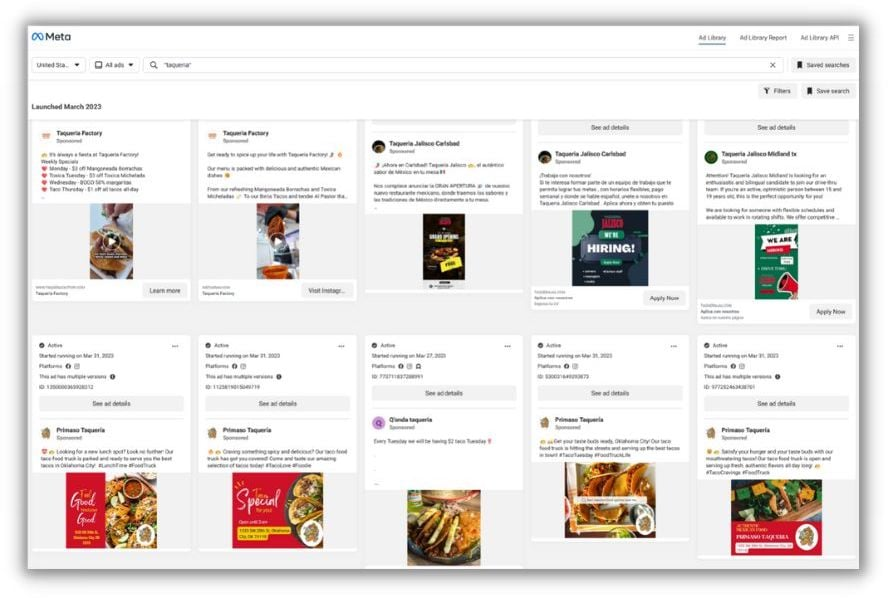
The Meta Ad Library is a public database where anyone can view active ads running across Facebook and Instagram. It was created to give people a clearer meta ad library view of who is advertising, what they are promoting, and how much influence they may have on public conversations. The tool started as a transparency effort during major election cycles, but it has grown into a resource used by marketers, journalists, researchers, and everyday users. Whether someone wants to study political messaging, analyze marketing trends, or keep an eye on competitors, the library offers simple access to information that used to be hidden behind ad targeting systems.

How the Library Works
The platform works by collecting all active ads from Meta’s ad networks and placing them in a searchable interface. Users can type in a keyword, company name, brand, or topic, and the system pulls up relevant ads. Each ad listing includes the creative content, the advertiser name, the date the ad started running, the platform placement, and sometimes a range of how much was spent. Political and issue based ads include even more details, such as demographic reach and financial disclosures. This structure helps people understand not just what messages appear online, but who is trying to spread them. The interface is simple enough for beginners yet detailed enough for professionals who want deeper insights.

Why Marketers Use the Meta Ad Library
For marketers, the Meta Ad Library is a competitive research tool. Businesses can analyze what top brands in their industry are promoting, which formats they use, and how often they update their campaigns. Seeing this information helps companies identify fresh angles for their own ads, avoid repeating ideas that already feel overused, and learn how competitors speak to their audiences. Marketers can also track seasonal trends by observing how campaigns shift throughout the year. This kind of research often shapes creative direction before teams even start designing their next round of ads. The library does not provide performance data, so it will not reveal conversions or click metrics. Even so, it gives a strong sense of what messages brands want to push and how they want to be seen.

A Valuable Tool for Journalists and Researchers
The Meta Ad Library has become an important resource for investigative work. Journalists use it to identify networks of related advertisers, trace the growth of political groups, and find out how money flows into major campaigns. Researchers study the library to understand how ads target different demographic segments and how narratives evolve during public debates. This helps bring accuracy and accountability to stories that would otherwise rely on guesswork. Having a transparent window into digital ads allows reporters to confirm facts, monitor online influence, and uncover patterns that shape public opinion.

Why Everyday Users Care About It
The library also gives regular users more control over the media they consume. People can look up ads they have seen and learn who put them there. They can check if an ad is part of a broader campaign or tied to a group they did not recognize. This helps users make more informed decisions about what to trust online. With social media full of sponsored content, the library offers a way to understand the intentions behind the messaging. Even people who are not marketers or journalists can use it to develop better digital literacy.

The Growing Role of Transparency Tools
The Meta Ad Library is one of several tools pushing social platforms toward greater transparency. It shows that understanding digital ads is not just for advertisers. It matters for public communication, business competition, and informed decision making. As digital advertising continues to grow, tools like this will likely become even more important. For now, the Meta Ad Library stands as a practical, accessible way for anyone to explore how advertising shapes the online world.

Relevance AI Review: A Practical Look at an Automation Platform Built for Real Workflows

What Relevance AI Tries To Solve

Relevance AI positions itself as a platform that helps teams automate complex workflows without forcing them to write code. The idea is simple. Many companies sit on data they cannot fully use, and their internal processes include too many repetitive steps. Relevance relevance ai review AI tries to bridge this gap by giving teams tools to build automations, create AI agents, and connect their data into a system they can actually act on. The platform focuses on practical business tasks instead of theoretical AI features. That means its value depends on how well it helps people do real work faster.

Features That Shape the Platform

The heart of Relevance AI is its workspace. This is where users build automations, set up multi step workflows, and connect AI models to structured or unstructured data. The interface is built around blocks that can be combined to create decision trees, data transformations, or AI powered actions such as summarization, tagging, and classification. One strong feature is its ability to handle both text and vector data. This lets users create more advanced search systems, recommendation engines, or even custom knowledge retrieval workflows. Another important part of the platform is the agent building system. Instead of a single chatbot, users can create full teams of AI agents, each with clear responsibilities. These agents can pass work to each other and operate inside a workflow. This is useful for companies that need repeatable processes that follow rules rather than one off conversations.

Ease of Use and Learning Curve

Relevance AI is built to feel accessible, but it still requires a period of understanding before users become fully effective. The drag and drop interface helps reduce friction, but creating complex workflows means knowing what you want the system to do in the first place. The platform is not aimed at casual users. It is designed for operations teams, analysts, product leads, and technical professionals who want to automate work but do not want to maintain large codebases. Once users understand the logic behind the workspace, the process becomes far smoother. Many actions can be reused, cloned, or adjusted, which reduces setup time for similar workflows. The learning curve is not steep, but it does exist, especially for people who are new to automation tools.

Performance and Reliability

In terms of speed and stability, Relevance AI generally performs well. Workflows run smoothly, and the platform handles large datasets without significant slowdown. The reliability of AI outputs depends on the models used and the quality of the data provided. Relevance AI supports custom models, which gives teams more control, but results still rely on proper configuration. One strong point is transparency. Users can inspect what each step did, what data was passed, and how decisions were made. This reduces guesswork and helps teams trust the system.

Pricing and Who It Fits

Relevance AI targets teams and organizations rather than individual hobbyists. Its pricing reflects this. Companies that rely on repeated manual tasks, such as customer research, product operations, and marketing analysis, gain the most value. Teams that want to experiment with AI without heavy engineering resources also benefit. Smaller teams with simple needs may find it more powerful than necessary, but growing companies often appreciate the control and scalability it offers.

Final Verdict

Relevance AI brings together automation, AI agents, and data workflows in a way that feels designed for real operational work. It is

Unlocking Youth: The Science Behind Precise Cell Anti-Aging for Women | LiveYes

Understanding the Cellular Basis of Aging in Women

Aging, though a natural part of life, manifests uniquely in women due to hormonal fluctuations, reproductive cycles, and environmental stressors. With the rapid advancement in biotechnology and cellular research, scientists are now beginning to understand how aging occurs not just at the surface level but deep within our cells. At the core of this understanding lies the concept of cellular aging, particularly in women, who experience complex biological supplements for women changes that affect everything from skin elasticity to energy levels and immune health. “Precise cell anti-aging” is a term that reflects modern approaches focused on targeting aging at the cellular level using a combination of advanced diagnostics, nutrition, personalized medicine, and regenerative therapies. LiveYes, a health and wellness brand, is pioneering efforts to deliver science-backed solutions for women seeking to maintain their vitality, resilience, and youthful energy through a deeper, more personalized understanding of their body’s cellular needs.

The Role of Mitochondria and Hormones in Female Aging

One of the most crucial elements in understanding how women age is mitochondrial function. Mitochondria, often referred to as the powerhouses of the cell, are responsible for energy production and play a key role in cell repair and regeneration. As women age, mitochondrial efficiency declines, which contributes to fatigue, slower healing, and cellular breakdown. In addition, hormonal shifts—particularly the drop in estrogen levels during perimenopause and menopause—intensify aging effects. Estrogen has protective effects on skin, bones, and the cardiovascular system, and its decline accelerates cell senescence, or the process where cells stop dividing and lose function. LiveYes’s precise anti-aging strategy addresses this by supporting mitochondrial health and hormonal balance through targeted therapies and lifestyle interventions that promote cellular longevity. These include personalized supplements, antioxidant support, hormone tracking, and guidance on stress reduction and sleep optimization.

Precision Nutrition and Cellular Health

Diet plays a pivotal role in supporting or accelerating the aging process, particularly at the cellular level. While generalized dietary advice exists, it often fails to address the unique needs of the female body as it ages. LiveYes leverages precision nutrition to offer women tailored dietary plans that align with their genetic makeup, hormone profile, and cellular health markers. Specific nutrients such as Coenzyme Q10, Omega-3 fatty acids, polyphenols, and B vitamins are emphasized for their roles in mitochondrial support, inflammation reduction, and DNA repair. Furthermore, emerging research highlights the importance of gut health in maintaining a youthful immune system and hormone regulation. LiveYes incorporates gut microbiome analysis into its anti-aging strategy to help women optimize digestion and nutrient absorption, reducing the risk of cellular damage caused by oxidative stress and inflammation.

Innovative Therapies and Future Outlook

LiveYes doesn’t just stop at prevention—it also explores regenerative techniques to rejuvenate aging cells. Therapies such as NAD+ supplementation, stem cell infusions, and peptide-based treatments are being explored for their potential to reverse signs of cellular aging and improve longevity. These approaches are tailored based on individual diagnostics, allowing for more accurate and effective outcomes. NAD+ (Nicotinamide Adenine Dinucleotide), for example, is a coenzyme essential for cellular energy and DNA repair. Its levels decline with age, but supplementation has shown promise in restoring mitochondrial function and slowing aging markers. Likewise, peptides—short chains of amino acids—can signal the body to regenerate tissues, boost collagen, and support hormone function. With such innovations, LiveYes is helping reshape the narrative around aging, encouraging women to view aging not as a decline, but as a phase of potential and vitality, given the right tools and insights.

Conclusion: A Personalized Path to Timeless Health

In a world where aging has long been considered inevitable and irreversible, precise cell anti-aging opens new doors for women to reclaim control over their health and appearance. By focusing on cellular health, LiveYes offers a new paradigm in aging—one that recognizes the unique physiological makeup of women and provides data-driven, personalized strategies to support vitality from within. Whether it’s through precision nutrition, hormonal balancing, or cutting-edge regenerative therapies, this approach empowers women to live not just longer, but better, fuller lives with youthful energy and confidence. As the science continues to evolve, so too will the possibilities for women seeking to age with grace, strength, and cellular resilience.

Top BrightLocal Alternatives for Reliable Local SEO Tracking

Why Businesses Look Beyond BrightLocal
BrightLocal is known for local rank tracking, citation monitoring, and review management. Many businesses eventually look for alternatives because they want broader BrightLocal Alternatives SEO features, lower costs, deeper reporting, or tools that integrate across multiple marketing channels. Others simply want a platform that scales better when they manage dozens or hundreds of locations. Whatever the reason, the good news is that several platforms offer strong local SEO features along with added flexibility that BrightLocal sometimes lacks.

Moz Local
Moz Local is one of the most common replacements for BrightLocal, mainly because it simplifies listing management. The platform pushes your business information to major data aggregators and updates listings automatically whenever you edit something. This saves time, especially for companies with several locations. Moz also adds review alerts, basic reporting, and tools that help keep your profile consistent across the web. While it does not offer rank tracking as detailed as BrightLocal, it makes up for it with a more automated workflow that fits teams that prefer a hands-off model.

Whitespark
Whitespark focuses heavily on citation building, which is still one of the strongest signals for better local visibility. Its Citation Finder tool helps you discover new listing opportunities and track existing ones. Whitespark also offers local rank tracking that is usually more accurate in smaller markets. Many agencies choose it because the platform provides manual citation building services, which means real people create and clean up your listings. This is valuable for businesses that need high accuracy, especially if they have outdated or inconsistent information floating around online.

Semrush
Semrush is not a purely local SEO tool, but it has become a popular BrightLocal alternative due to its wide feature set. You get keyword tracking, site audits, backlink analysis, content tools, and a dedicated local SEO module known as Listing Management. This module distributes business data, tracks reviews, and monitors local rankings. Semrush works well for companies that want both local and general SEO in a single dashboard. It is more expensive than most tools on this list, but its depth makes it useful for growing teams that rely on data-driven decisions.

GeoRanker
GeoRanker is built for detailed local rank tracking in specific neighborhoods and ZIP codes. It generates heatmaps that show exactly where a business ranks within a city, which helps identify pockets of strong or weak visibility. Agencies use it to prepare visual reports for clients, while local businesses rely on it to understand how location affects rankings. GeoRanker also includes citation analysis and on-page SEO tools, but its main advantage is location-based tracking at a granular level.

Yext
Yext is a premium option that focuses on strong listing accuracy and enterprise-level control. It connects directly with hundreds of directories and updates them in real time. Larger brands choose Yext because it can handle thousands of locations without losing consistency. It also includes review management, analytics, and AI-powered answers for websites. The main drawback is cost, making it less suitable for small businesses. Still, it remains one of the most reliable alternatives for companies that need fast, automatic updates across many platforms.

Synup
Synup is another all-in-one local marketing platform that competes directly with BrightLocal. It offers listings, review monitoring, social posting, and automated reporting. The dashboard is simple, and the workflows are built to help businesses respond to reviews quickly. Synup also integrates with several marketing tools, making it easier to manage everything from one system. It is a strong match for teams that want a balance of features at a mid-range price.

Choosing the Rig

The Ultimate Fitness Website Directory: Top Fitness Programs for Every Goal

In today’s digital age, the pursuit of health and wellness has taken a front seat, with thousands turning to online resources for guidance. Whether you’re a beginner looking to shed a few pounds, a seasoned athlete aiming to boost performance, or someone seeking a holistic health and fitness articles approach to fitness, navigating the ocean of fitness websites and programs can be overwhelming. That’s where a comprehensive fitness website directory comes into play. It serves as a go-to resource for discovering the best fitness platforms that align with your goals, preferences, and lifestyle. From strength training and cardio to yoga, nutrition, and wellness coaching, the top fitness programs available online offer a variety of options, each catering to specific needs.

Why Use a Fitness Website Directory?

A fitness website directory is more than just a list of links. It is a curated collection of high-quality, credible, and result-driven platforms that offer various programs, resources, and tools. These directories simplify the process of finding reliable information by categorizing fitness websites based on workout styles, target audiences, pricing, accessibility, and reviews. With the rise of online training, especially since the global shift to home workouts, users now have access to elite-level coaching and structured routines without stepping out of their homes. A directory helps streamline this access, saving users hours of research and preventing misinformation or poor-quality content from interfering with their fitness journeys. Whether it’s weight loss, muscle gain, endurance improvement, or mental wellness, a well-maintained fitness directory can be a cornerstone for success.

Top Fitness Programs Featured in Online Directories

Among the leading programs frequently listed in fitness directories, a few stand out due to their popularity, effectiveness, and expert-led approach. For example, Beachbody On Demand is a household name in the online fitness community. With programs like P90X, Insanity, and 21 Day Fix, it offers structured video workouts, nutrition plans, and progress tracking, making it ideal for home fitness enthusiasts. Similarly, Peloton Digital has revolutionized cardio workouts by offering interactive cycling, running, yoga, and strength classes led by motivational trainers. Peloton’s app can be used even without the bike, giving users flexibility in choosing how and where to work out.

For those interested in strength and hypertrophy, Bodybuilding.com’s BodyFit provides science-backed workout plans created by fitness professionals and athletes. The platform includes community features and progress tracking tools, making it suitable for users who thrive on structure and accountability. On the other hand, if mobility, flexibility, and stress reduction are your focus, programs like Yoga with Adriene or Glo offer expansive libraries of yoga and mindfulness classes suited for all skill levels. These platforms not only improve physical health but also emphasize mental clarity and emotional balance, which are essential aspects of overall fitness.

Choosing the Right Fitness Program for You

When selecting a program from a fitness website directory, it’s important to assess your goals, current fitness level, time availability, and budget. Beginners might benefit from platforms that offer step-by-step instruction and low-impact exercises, such as Daily Burn, which caters to all levels and includes motivational coaching. Meanwhile, more experienced users may lean toward platforms like Centr by Chris Hemsworth, which offers high-intensity workouts, nutrition plans, and mindfulness practices in a single package. Subscription pricing, trial periods, and user reviews are crucial components to examine within the directory listings, helping you make an informed decision before committing.

The Future of Fitness Through Online Directories

The evolution of digital fitness has created an unprecedented opportunity for users to personalize their health journeys. With new technologies like wearable integration, AI-driven workout planning, and live-streamed classes, fitness website directories are continuously expanding to include cutting-edge programs. These directories are not static; they adapt and grow, reflecting the latest trends and user demands. By using a trusted fitness website directory, individuals can stay updated on emerging fitness trends, discover new programs that match their evolving goals, and connect with communities that support long-term success.

Ultimately, a fitness website directory is not just a tool—it’s a gateway to transforming your health. With the right program, guided by professional instruction and tailored resources, your fitness goals are not only achievable but also sustainable.

Best ROX Alternatives for Secure File Sharing and Collaboration

ROX is a well-known platform offering secure file sharing and collaboration features for businesses and teams. Its simple interface, real-time collaboration, and end-to-end encryption rox alternatives make it popular for organizations managing sensitive information. However, some users seek ROX alternatives due to limitations in pricing, features, or compatibility. Whether you’re looking for a more budget-friendly solution, a tool with more robust project management options, or better integration with existing tools, there are several competitive alternatives worth considering. This article explores some of the best ROX alternatives that cater to different needs, from startups to large enterprises.

1. Dropbox Business

Dropbox Business is one of the most recognized file-sharing platforms globally, offering a familiar and intuitive interface along with powerful collaboration tools. It supports seamless synchronization across devices and allows teams to access, edit, and share files from anywhere. Dropbox integrates with hundreds of third-party applications such as Slack, Zoom, and Microsoft Office, making it ideal for businesses already using these tools. Unlike ROX, Dropbox Business offers Smart Sync and advanced admin controls, including audit logs, file recovery, and team activity tracking. While its price point is higher than some other services, its robust infrastructure and reliability make it a solid ROX alternative, especially for companies needing scalable cloud storage with high-level security.

2. Google Drive (Google Workspace)

Google Drive, as part of Google Workspace, is another powerful alternative to ROX, particularly for teams looking for a smooth and cloud-native collaboration environment. With real-time co-editing features across Google Docs, Sheets, and Slides, it enhances productivity and streamlines communication. One key advantage over ROX is the ease of use and seamless integration with Gmail and Google Calendar, providing a unified experience for all users. Google Drive also offers detailed sharing permissions, version history, and encryption both at rest and in transit. While some businesses may have privacy concerns due to Google’s data policies, for many, its feature-rich environment and affordability make it a practical choice.

3. Microsoft OneDrive for Business

OneDrive for Business is part of the Microsoft 365 suite, making it an ideal ROX alternative for organizations heavily invested in the Microsoft ecosystem. It allows users to store, share, and collaborate on files from anywhere while maintaining enterprise-grade security and compliance standards. OneDrive’s integration with Microsoft Teams and SharePoint offers enhanced collaboration, document management, and intranet capabilities that go beyond ROX’s offerings. With support for real-time collaboration in Word, Excel, and PowerPoint, and built-in AI tools for productivity, OneDrive gives businesses a comprehensive platform to manage their digital workflows efficiently.

4. Box

Box is a secure content management and file-sharing service designed for businesses with complex regulatory requirements. It’s a compelling ROX alternative for industries like healthcare, finance, and legal, where compliance is critical. Box offers HIPAA, GDPR, and FedRAMP compliance, along with detailed access controls, encryption, and workflow automation features. Unlike ROX, Box emphasizes enterprise content management and integrates with tools such as Salesforce, Okta, and ServiceNow. Its user-friendly interface combined with strong administrative controls makes it suitable for both small teams and large enterprises that need more than just basic file sharing.

5. Tresorit

For businesses with a heightened need for data privacy, Tresorit offers a highly secure file sharing and collaboration platform. Based in Switzerland and known for its zero-knowledge encryption, Tresorit provides end-to-end encrypted storage and transfer, ensuring no one except the user can access the content—not even Tresorit itself. This level of security surpasses ROX and makes Tresorit a preferred choice for NGOs, journalists, and legal firms. It also supports granular access permissions, secure file requests, and compliance with strict privacy regulations. While it may not offer the broad integration ecosystem of Dropbox or Google Drive, Tresorit’s focus on security makes it one of the best ROX alternatives for privacy-conscious users.

Choosing the Right Alternative

Ultimately, the best ROX alternative depends on your organization’s specific needs. If ease of use and third-party integration are priorities, Dropbox or Google Drive might be ideal. For Microsoft-centric environments, OneDrive is a natural fit. For enterprises needing strict compliance and content governance, Box is a solid option. And for those prioritizing privacy above all, Tresorit stands out. Each of these tools provides reliable file sharing and collaboration features while offering distinct advantages over ROX in different scenarios. Before making a switch, assess your team’s size, budget, security requirements, and current software stack to find the platform that best aligns with your operational goals.

Chat