


Understanding the Meta Ad Library and Why It Matters
What the Meta Ad Library Is
The Meta Ad Library is a public database where anyone can view active ads running across Facebook and Instagram. It was created to give people a clearer meta ad library view of who is advertising, what they are promoting, and how much influence they may have on public conversations. The tool started as a transparency effort during major election cycles, but it has grown into a resource used by marketers, journalists, researchers, and everyday users. Whether someone wants to study political messaging, analyze marketing trends, or keep an eye on competitors, the library offers simple access to information that used to be hidden behind ad targeting systems.
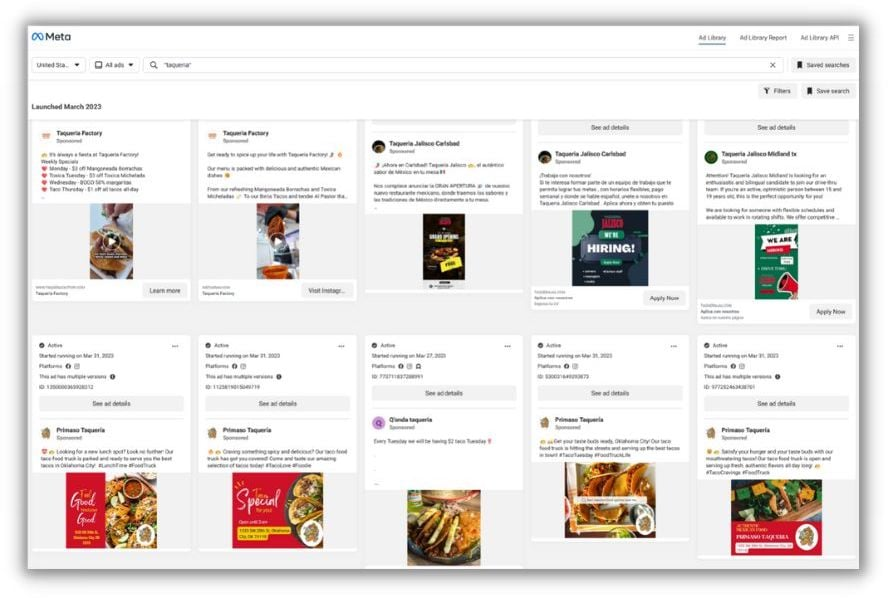
How the Library Works
The platform works by collecting all active ads from Meta’s ad networks and placing them in a searchable interface. Users can type in a keyword, company name, brand, or topic, and the system pulls up relevant ads. Each ad listing includes the creative content, the advertiser name, the date the ad started running, the platform placement, and sometimes a range of how much was spent. Political and issue based ads include even more details, such as demographic reach and financial disclosures. This structure helps people understand not just what messages appear online, but who is trying to spread them. The interface is simple enough for beginners yet detailed enough for professionals who want deeper insights.
Why Marketers Use the Meta Ad Library
For marketers, the Meta Ad Library is a competitive research tool. Businesses can analyze what top brands in their industry are promoting, which formats they use, and how often they update their campaigns. Seeing this information helps companies identify fresh angles for their own ads, avoid repeating ideas that already feel overused, and learn how competitors speak to their audiences. Marketers can also track seasonal trends by observing how campaigns shift throughout the year. This kind of research often shapes creative direction before teams even start designing their next round of ads. The library does not provide performance data, so it will not reveal conversions or click metrics. Even so, it gives a strong sense of what messages brands want to push and how they want to be seen.
A Valuable Tool for Journalists and Researchers
The Meta Ad Library has become an important resource for investigative work. Journalists use it to identify networks of related advertisers, trace the growth of political groups, and find out how money flows into major campaigns. Researchers study the library to understand how ads target different demographic segments and how narratives evolve during public debates. This helps bring accuracy and accountability to stories that would otherwise rely on guesswork. Having a transparent window into digital ads allows reporters to confirm facts, monitor online influence, and uncover patterns that shape public opinion.
Why Everyday Users Care About It
The library also gives regular users more control over the media they consume. People can look up ads they have seen and learn who put them there. They can check if an ad is part of a broader campaign or tied to a group they did not recognize. This helps users make more informed decisions about what to trust online. With social media full of sponsored content, the library offers a way to understand the intentions behind the messaging. Even people who are not marketers or journalists can use it to develop better digital literacy.
The Growing Role of Transparency Tools
The Meta Ad Library is one of several tools pushing social platforms toward greater transparency. It shows that understanding digital ads is not just for advertisers. It matters for public communication, business competition, and informed decision making. As digital advertising continues to grow, tools like this will likely become even more important. For now, the Meta Ad Library stands as a practical, accessible way for anyone to explore how advertising shapes the online world.